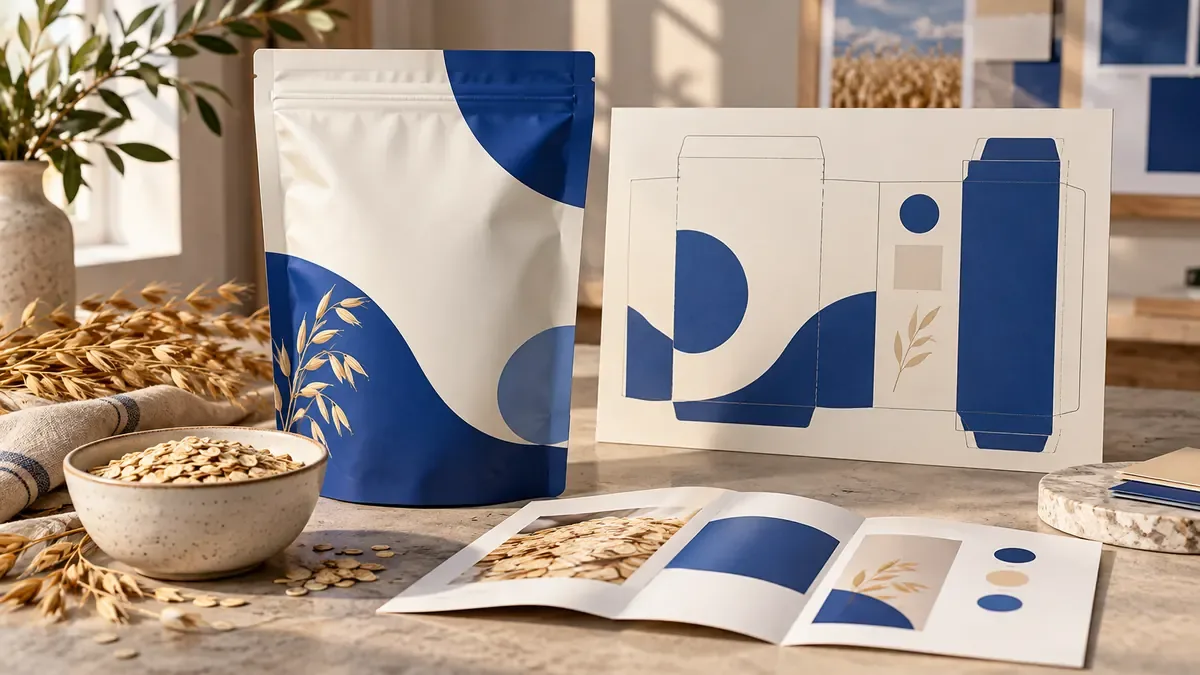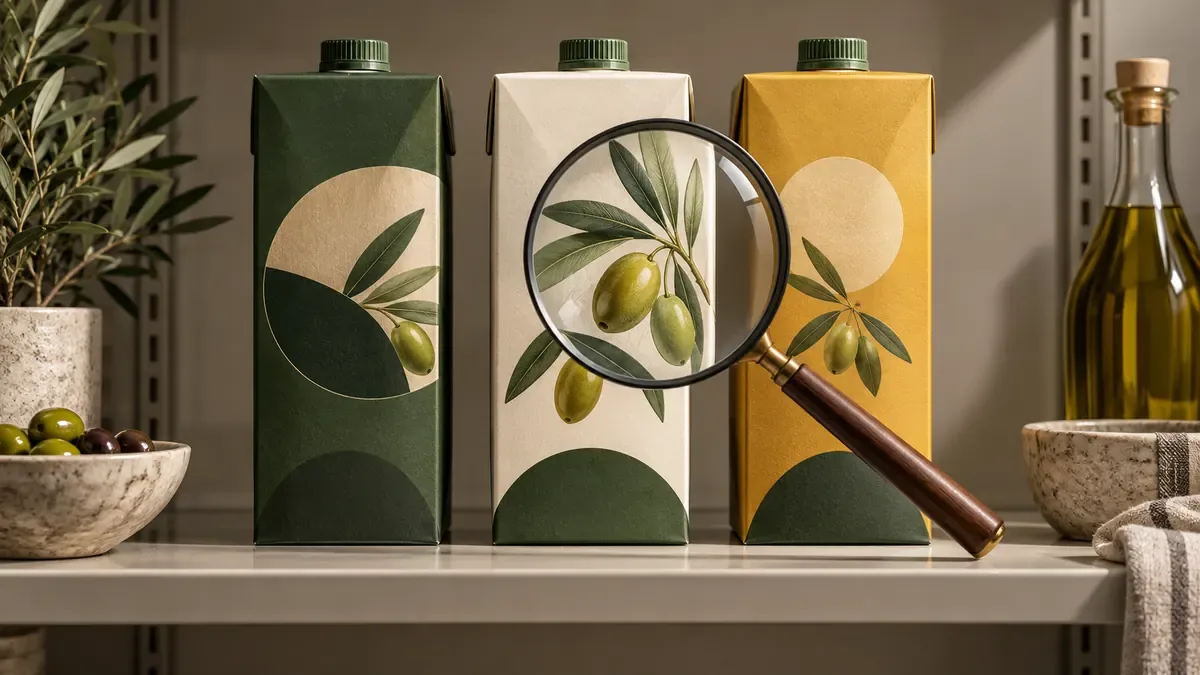
Do not examine the packaging design alone. Check with small comparisons how the product type, type and base difference are perceived within the shelf.
Replace the likes question with the task
Which collects the better question personal preferences. Instead, ask the person to find the specific product, separate the two types, or explain what the packaging contains. Pre-set the question that the design should answer converts incoming comments into applicable changes. Do not make statements that imply the correct answer during the interview.
Set up a realistic shelf view
Place the draft side by side with neighbouring products of similar size. Enlarged packaging in the presentation can hide writings that will not be read at real distance. A physical make-up and a shelf photo taken by phone show different problems. Also examine the loss of information under light if reflective materials are used; the screen preview does not replace the print result.
Examine in three layers
The first layer contains category and brand, the second layer contains variety and quantity, the last layer contains detailed information. This order does not have to be the same for each product; it depends on the customer's choice style. In a coffee series, the use of the cup or core origin can be more decisive, while in the cleaning product, the use of it can be more decisive. Verify the samples with your own product research.
Separate the design finding from the sale result
A user's easier recognition of the product is a useful observation; it is not proof of direct sales increase. Do not tie the result to the packaging alone if the price, shelf location, distribution, and campaign are changing at the same time. Type the observed behavior in the test note and the design change made. Repeat the same task in the new version to check if the problem is actually resolved.